Understanding the Lifespan of Your HVAC System: Insights from Richard Lewis HVAC May 02, 2026
An average HVAC system is designed to last around 10 to 15 years, although this can vary depending on various factors. High-quality installation, regular maintenance, and choosing the right type of system for your home can significantly influence longevity. Central air conditioners, furnaces, and heat pumps generally share a similar lifespan range, but with the right care and attention, they can last even longer.
One of the most essential aspects of extending your HVAC system's lifespan is regular maintenance. It is not just about scheduling an annual check-up but also about being proactive with minor repairs before they become significant issues. Our skilled technicians at Richard Lewis HVAC recommend bi-annual tune-ups: one in the spring before the summer heat, and another in the fall before the winter chill takes over. These inspections can catch wear and tear early, ensuring your system is running efficiently and ultimately saving you money on energy costs.
Moreover, the frequency and severity of usage also impact how long your system can last. Systems that are constantly running without adequate breaks will generally wear out faster. We advise our customers to use programmable thermostats to manage their system’s workload better. This small change can optimize energy use by allowing your system to operate only when needed, thus prolonging its life.
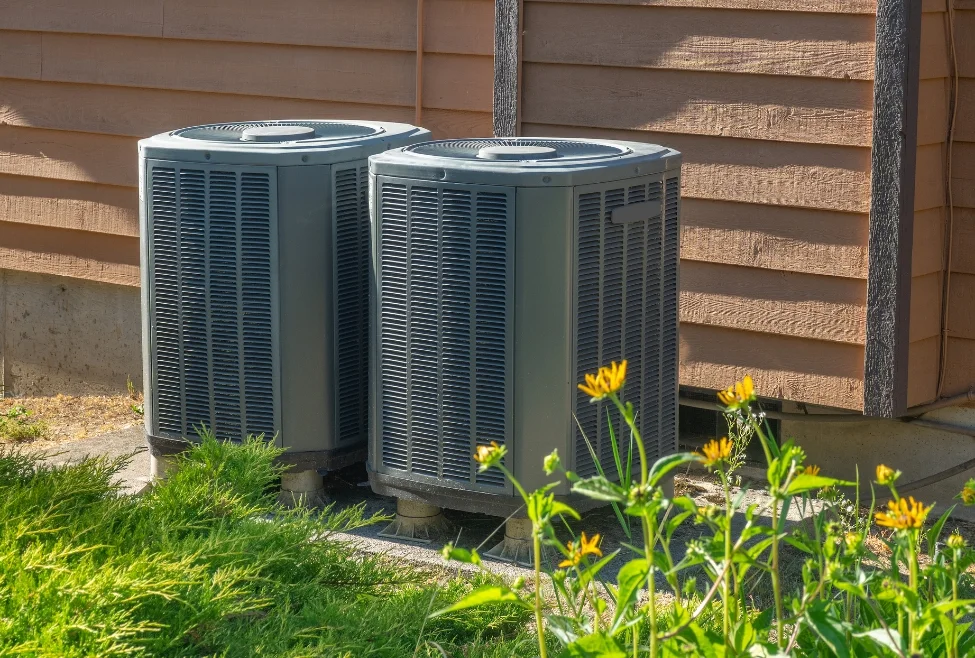
Your HVAC unit's location and installation quality also play pivotal roles. Units placed in shady, ventilated areas will typically endure less strain than those exposed to harsh sunlight. Furthermore, improper installation can lead to inefficiencies and increased wear and tear. Making sure a professional from a reputable company like Richard Lewis HVAC installs your system can set you on the right path from the start.
Environmental factors, such as dust and debris, can also shorten your unit's lifespan. Changing air filters regularly and keeping outdoor units clear of obstructions are easy ways to maintain your system’s efficiency and health. Simple household habits such as keeping windows and doors closed when the system is running, and periodically checking for duct leaks can help too.
Recognizing when your system is nearing the end of its lifespan can also help you plan for replacements without sudden disruptions. Signs such as frequent repairs, increased energy bills without evident reason, and uneven heating or cooling indicate it might be time for an upgrade.
Finally, investing in a new, energy-efficient unit when the time comes can provide significant long-term savings and comfort. The innovations in the HVAC industry over the past few years mean that newer systems often outperform older ones in efficiency and cost-effectiveness.
At Richard Lewis HVAC, our goal is to support you with education and expert service throughout the life of your HVAC system. We’re here to help you make informed decisions that will keep your home comfortable and your system working optimally for as long as possible. Whether you need a maintenance check-up or advice on upgrading to a new unit, feel free to contact us for personalized solutions.
/filters:no_upscale()/filters:format(webp)/media/41415c7c-0f0d-473d-b26f-2ddef07d3cf9.webp)
/filters:no_upscale()/filters:format(webp)/media/b046acb6-6c7d-4bb9-a792-3e3d04338bce.jpeg)