The Hidden Benefits of Ductless HVAC Systems Explained Jun 24, 2026
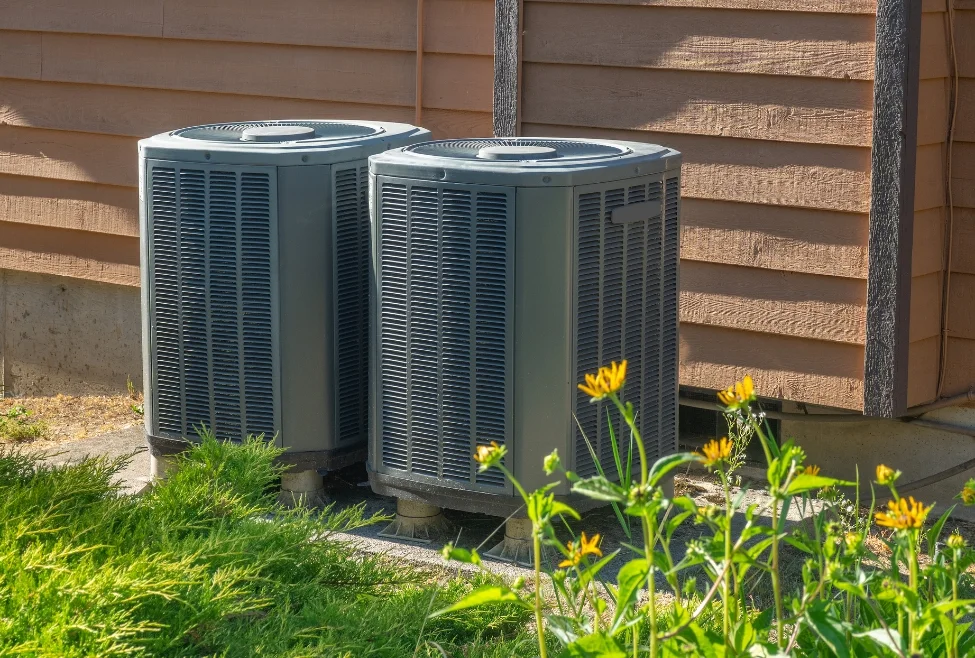
To start, it's important to understand what makes ductless HVAC systems different from traditional systems. Also known as mini-split systems, ductless units provide heating and cooling directly to a specific zone within your home. They consist of an outdoor condenser and an indoor air-handling unit, connected by a small conduit. This setup eliminates the need for extensive ductwork, offering a seamless and less invasive installation process.
One of the primary advantages of a ductless HVAC system is energy efficiency. Traditional duct systems can account for a significant percentage of energy loss, especially if the ducts are located in unconditioned spaces such as attics or basements. Without the need for ductwork, ductless systems operate more efficiently, translating into lower energy bills and a reduced carbon footprint. This is particularly appealing for environmentally conscious homeowners aiming to make eco-friendly decisions.
In addition to energy savings, ductless systems provide superior zoning capabilities. Many homeowners desire varying temperatures in different areas of their homes, and ductless systems offer the perfect solution. Each indoor unit operates independently, allowing for precise temperature control in every room. This feature not only enhances comfort but also offers potential energy savings by avoiding heating or cooling unoccupied spaces.
The flexibility of installation is another significant benefit of ductless systems. Compact and unobtrusive, these units can be easily installed on walls, ceilings, or floors. This adaptability makes them ideal for homes without existing ductwork, such as older properties or additions where extending traditional systems would be impractical.
Ductless systems also contribute to improved indoor air quality. Traditional ductwork can collect dust, allergens, and other pollutants over time, which are then recirculated throughout the home. Ductless systems, however, bypass these issues. Equipped with a multi-stage filtration process, they actively reduce dust, bacteria, pollen, and other allergens, ensuring that the air you're breathing is clean and healthy.
Moreover, ductless systems are designed for silent operation. Unlike traditional units that often cycle on and off with noticeable clunks and bangs, ductless systems maintain quiet operation, allowing for a peaceful home environment. This can be particularly beneficial in bedrooms, where noise interference can disrupt sleep.
Finally, ductless HVAC systems often come with advanced technology features such as remote control operation and smartphone connectivity. These smart features enable you to adjust the settings from virtually anywhere, adding convenience and control over your home's climate.
In conclusion, the hidden benefits of ductless HVAC systems make them an attractive option for many homeowners. With energy efficiency, superior zoning, flexible installation, better air quality, silent operation, and advanced technology, they are a worthy investment for those who value both comfort and sustainability. At Richard Lewis HVAC, we are committed to helping you discover the best heating and cooling solutions for your home. If you’re considering upgrading to a ductless system, our team of experts is ready to guide you every step of the way.
/filters:no_upscale()/filters:format(webp)/media/41415c7c-0f0d-473d-b26f-2ddef07d3cf9.webp)
/filters:no_upscale()/filters:format(webp)/media/b046acb6-6c7d-4bb9-a792-3e3d04338bce.jpeg)