Seasonal HVAC Tips: Preparing Your System for Optimal Performance Mar 18, 2026
First, understand the importance of routine maintenance. A well-maintained HVAC system can greatly influence not only the comfort in your home but also the longevity of the equipment itself. Regular check-ups, ideally twice a year, can preempt major breakdowns and ensure your system runs efficiently. Schedule a professional tune-up with Richard Lewis HVAC, where we inspect and clean components, test for accuracy, and ensure all parts are in working order. This proactive approach sets a foundation for a successful and trouble-free season.
Ductwork inspection is another critical step. As the conduit that channels air throughout your home, ducts can develop leaks, obstructions, or buildup over time—problems often not visible to the naked eye. A thorough inspection and cleaning can improve air flow, indoor air quality, and align with energy-saving practices. Seal any leaks you discover to prevent warm or cool air loss, thereby reducing energy consumption and costs.
Replace or clean your air filters regularly. Air filters trap dust, pollen, and other airborne contaminants, enhancing indoor air quality and protecting your HVAC system. Dirty filters can impede airflow, forcing your system to work harder and expend more energy. Opt for high-quality filters and replace or clean them every 1-3 months, depending on system usage and manufacturer's recommendations. This simple task can also significantly reduce allergens in the home, promoting a healthier environment.
Don't overlook thermostat settings. As temperatures fluctuate, updating your thermostat settings to reflect current weather conditions can optimize energy use. Consider investing in a programmable or smart thermostat. These advanced devices allow precise control over when your system runs, conserving energy and adjusting the indoor climate according to your schedule. With features like remote access and learning capabilities, smart thermostats represent a future-forward approach to energy management.
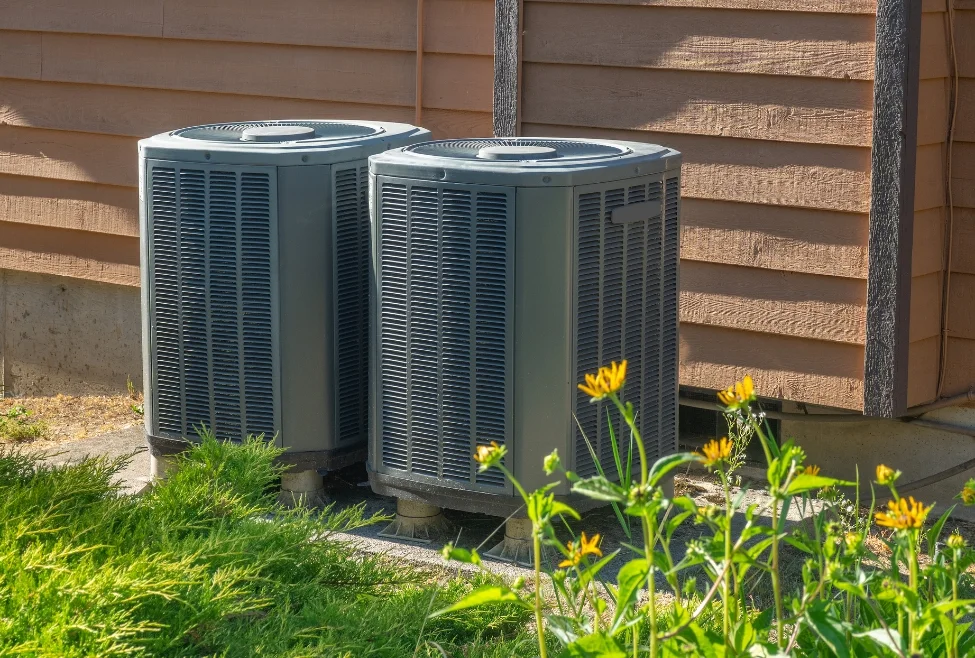
Outdoor units need attention too. Clear any debris, leaves, or grime that might have accumulated around your external HVAC unit. Maintain at least two feet of clear space around the unit to promote proper airflow and system function. Regular cleaning prevents obstruction of air intake and helps the system operate at peak performance levels, especially during peak usage in summer or winter months.
Finally, consider insulation as an adjunct to your HVAC system's efficiency. Properly insulating your home can reduce the burden on your HVAC system by maintaining stable indoor temperatures. Check for drafts around doors and windows, and add weatherstripping where needed. A well-insulated home retains the desired temperature with less effort from your HVAC system, equating to lower energy bills.
In conclusion, these seasonal maintenance tips ensure your HVAC system operates efficiently, providing the comfort and reliability you need. For assistance, professional insight, and comprehensive maintenance services, contact Richard Lewis HVAC. Our commitment is to help homeowners optimize their HVAC systems for any season, achieving both cost savings and peace of mind.
/filters:no_upscale()/filters:format(webp)/media/41415c7c-0f0d-473d-b26f-2ddef07d3cf9.webp)
/filters:no_upscale()/filters:format(webp)/media/b046acb6-6c7d-4bb9-a792-3e3d04338bce.jpeg)