Reducing Energy Bills: The Role of High-Performance HVAC Systems May 19, 2026
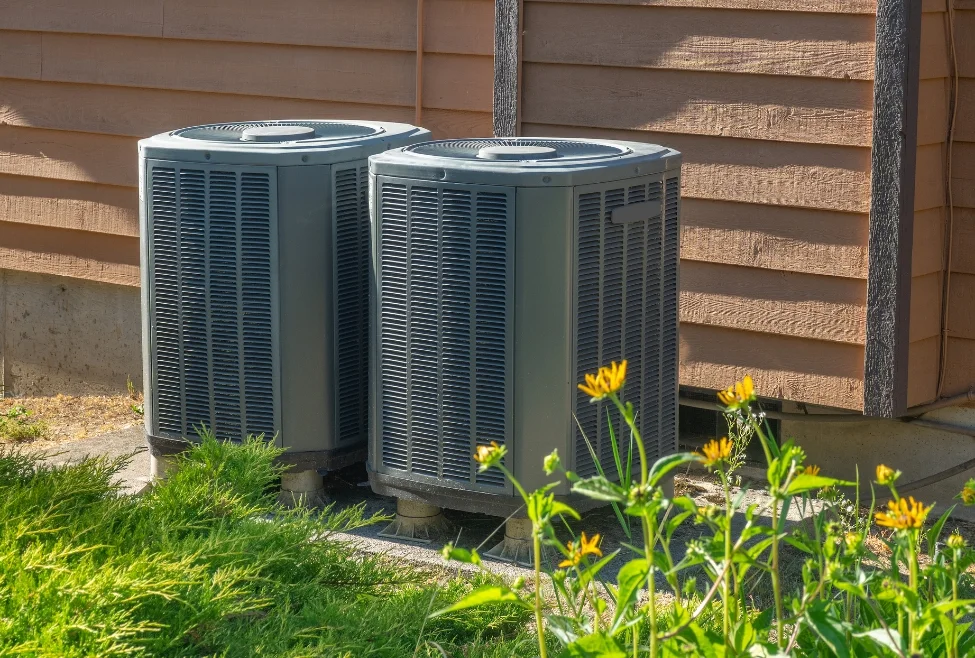
When assessing energy efficiency measures, the role of a high-performance HVAC system cannot be underestimated. Traditional systems can account for nearly half of a home's energy consumption. This is where advancements in HVAC technology come in, offering systems designed to operate at peak efficiency with minimal waste.
The first step in reducing energy bills is understanding the efficiency ratings of HVAC systems. High-performance systems often come with SEER (Seasonal Energy Efficiency Ratio) ratings of 16 or higher. This rating signifies how efficiently your air conditioner is operating during peak seasons. Similarly, heating systems are rated with AFUE (Annual Fuel Utilization Efficiency), and opting for a system with a high AFUE can ensure more warmth per unit of energy used.
Moreover, high-performance HVAC systems are equipped with variable-speed motors. Unlike traditional systems that operate at one speed, these motors adjust their speed to the immediate needs of your home. This means they use less energy when full-speed operation isn't necessary, reducing unnecessary electricity consumption. Over a year, this can result in substantial savings on your energy bills.
Another integral component is ductwork. Even the most efficient HVAC system can underperform if your ductwork is leaking or poorly insulated. At Richard Lewis HVAC, we offer ductwork inspection services to ensure your system isn’t losing efficiency. Sealing and insulating ducts can prevent energy loss, contributing to lower bills and a more comfortable living environment.
Additionally, integrating smart thermostats is a relatively cost-effective way to enhance the efficiency of your HVAC system. These devices learn your schedule and preferences, adjusting temperatures automatically to optimize energy use. By implementing a smart thermostat, you can cut energy costs by up to 15%, enjoying optimal comfort without lifting a finger.
Regular maintenance plays a crucial role in sustaining the efficiency of high-performance HVAC systems. Filters should be changed every few months to prevent clogs that force the system to work harder. Scheduled inspections ensure that every component is working correctly and can preemptively address minor issues before they escalate into costly repairs.
In conclusion, while upgrading to a high-performance HVAC system represents an initial investment, the long-term savings on energy bills and the added value to your home make it a worthwhile endeavor. At Richard Lewis HVAC, our experts are ready to guide you through the process, offering tailored solutions that meet your specific needs. By making careful choices concerning your HVAC system, you can enjoy considerable energy savings without sacrificing comfort.
Contact us today to learn more about how a high-performance HVAC system can transform your home's energy efficiency.
/filters:no_upscale()/filters:format(webp)/media/41415c7c-0f0d-473d-b26f-2ddef07d3cf9.webp)
/filters:no_upscale()/filters:format(webp)/media/b046acb6-6c7d-4bb9-a792-3e3d04338bce.jpeg)