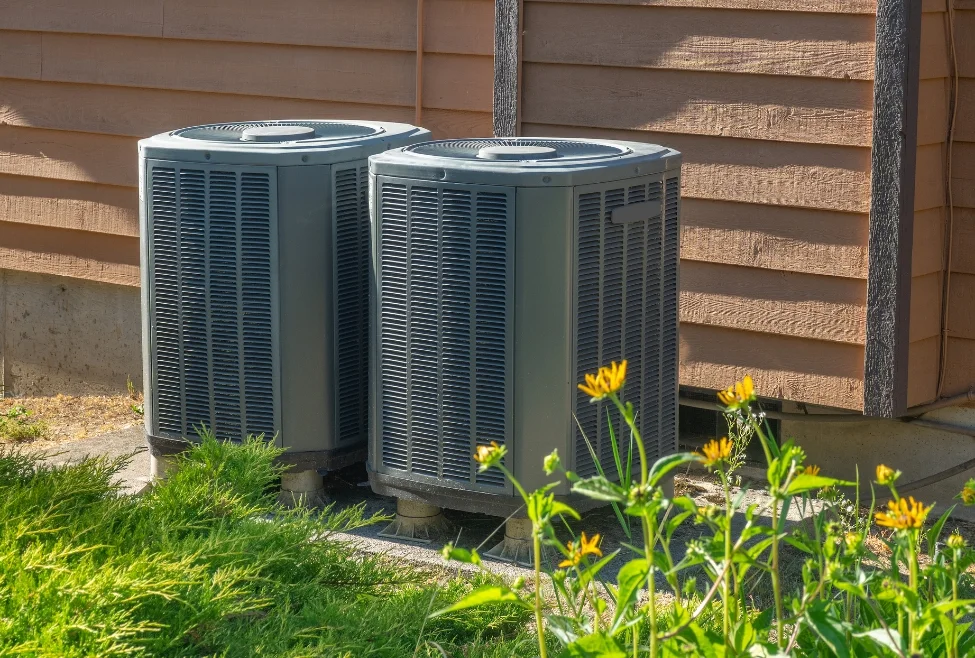
Heat Pump vs. Traditional HVAC Systems: Making the Right Choice for Your Needs Apr 12, 2026
To start, it helps to define what each system entails. Traditional HVAC systems generally consist of separate components for heating and cooling. Most commonly, they use a furnace for heating and an air conditioner for cooling. This separation allows each unit to specialize in its function, occasionally leading to increased efficiency in distinct weather conditions.
Conversely, heat pumps operate as a unified system, capable of both heating and cooling your home. They work by transferring heat rather than generating it, using refrigerant to move heat from one place to another. In the summer, a heat pump expels warm air from inside your home, and in the winter, it draws in heat from the outside air or ground to warm your living spaces.
One of the main advantages of heat pumps is their energy efficiency. By transferring heat rather than generating it, heat pumps can be up to three times more efficient than traditional systems. This often leads to significant savings on utility bills and a reduced environmental footprint. However, it's essential to consider the regional climate. Heat pumps perform admirably in moderate climates but may struggle in prolonged periods of extreme cold, making traditional HVAC systems more reliable in such scenarios.
Another factor worth considering is installation cost and complexity. Heat pumps often have a higher upfront cost due to their dual capabilities. That said, the long-term energy savings can often offset the initial investment. Traditional systems, meanwhile, might be less expensive to install but could incur higher operational costs over time, particularly if both a furnace and an air conditioning unit are needed.
Maintenance is another critical aspect to ponder. Despite handling both heating and cooling, heat pumps tend to require less frequent maintenance due to their fewer components and lack of combustion processes. On the other hand, traditional HVAC systems might necessitate separate service calls for the furnace and air conditioner, possibly adding to the cost and time spent on maintenance each year.
The choice also hinges on personal comfort preferences. Some homeowners enjoy the consistent warmth a furnace provides, while others appreciate the gentle, even heating typical of heat pumps. Furthermore, noise levels, which can significantly impact your home environment, are generally lower in heat pumps. This feature can be particularly appealing for homeowners sensitive to appliance noise.
In conclusion, deciding between a heat pump and a traditional HVAC system involves balancing efficiency, cost, maintenance, and climate suitability. At Richard Lewis HVAC, we're dedicated to assisting you in navigating these considerations to ensure you select the smartest choice for your needs. Whether you value efficiency, cost-savings, or reliability, our team is readily available to provide guidance and support.
Remember, investing time in understanding your home's needs and consulting with a trusted HVAC professional can lead to enhanced comfort and satisfaction, no matter the weather outside. If you're considering an upgrade or installation, don't hesitate to reach out to Richard Lewis HVAC for expert advice tailored to your unique circumstances.
/filters:no_upscale()/filters:format(webp)/media/41415c7c-0f0d-473d-b26f-2ddef07d3cf9.webp)
/filters:no_upscale()/filters:format(webp)/media/b046acb6-6c7d-4bb9-a792-3e3d04338bce.jpeg)